


The Real Cost of Buying a Condo in Boston. What Buyers Miss That Changes Your Budget
Surprising fees, condo documents, taxes, insurance, parking, and HOA escalations that materially change your real cost of ownership.
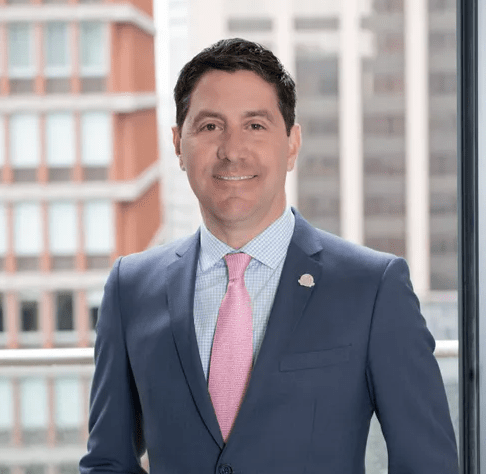
Dino Confalone
Written on January 14, 2026
Most Boston buyers underwrite their purchase based on list price, mortgage payment, and the advertised HOA. That framework is wrong. In Boston luxury property, your true cost of ownership is driven by layered building mechanics, deferred capital schedules, insurance structures, and post-purchase tax corrections that are not reflected in listing data. These errors routinely change ownership cost by tens of thousands per year.
Condo Fees Are Dynamic, Not Static
In Boston full-service and concierge buildings, HOA fees are tied to staffing headcount, wage escalation, master insurance premiums, reserve funding schedules, energy pricing, and mechanical plant depreciation. These inputs reprice annually.
A building advertising a $1,200 HOA today often has a five-year funding plan that pushes that fee to $1,700 to $2,000 as reserve levels are normalized and staffing models mature. Newer towers frequently start with lower HOAs during early sellout and later correct to sustainable levels once occupancy stabilizes.
Buildings with valet, door staff, gyms, lounges, and central mechanical plants see the fastest growth. Five to ten percent annual HOA increases are common across Back Bay, Seaport, Waterfront, and Financial District concierge buildings. If you do not model the HOA trajectory, you are not underwriting the asset.
Capital Reserves Predict Your Future Assessments
Boston brownstones and early generation luxury towers commonly defer capital replacements. Facade masonry, roofs, boilers, chillers, elevators, and garage structural components have finite lifecycles that must be funded.
Many associations maintain underfunded reserves. When major work is triggered, five-figure assessments per unit are routine. This shows up most often in Back Bay, Beacon Hill, and South End brownstones, plus early Seaport and Financial District towers now entering major replacement cycles.
These liabilities are visible in reserve studies and capital schedules. Buyers who do not audit these documents inherit future assessments without realizing it.
Property Taxes Reprice After You Buy
Boston assessments trail market value. When you purchase at a premium price, your assessed value is often adjusted upward within one to two assessment cycles. That increases annual taxes after you close.
This effect is strongest in new construction, full-service towers, and premium resale units that transact well above prior assessed values. Buyers who model only the current tax line item consistently misprice long-term carrying cost.
Insurance Has Changed the Math
HO6 condo insurance premiums in Boston have risen sharply due to rising reconstruction costs, water damage claims, and higher master insurance deductibles.
Many buildings now require higher personal policy limits and impose larger deductibles. Buyers often see premiums that are materially higher than expected, especially in luxury towers and older brownstones where master deductibles are higher.
Closing Costs Are Not Marginal
Recording fees, title premiums, condo document packages, lender administrative charges, and prepaid escrows often push true cash to close well into five figures beyond early estimates on luxury purchases.
These costs are not optional, and they materially affect liquidity and effective purchase price.
Mispricing these ownership factors can materially change your long-term carrying cost and overall return. Over a typical ownership cycle, small underwriting errors can compound into meaningful financial differences.
Work with Dino Confalone
Dino audits condo documents, capital reserves, HOA escalation risk, tax adjustment probability, and building stability before you buy so you do not inherit hidden ownership traps.